A Tour of Ann Dvorak’s House
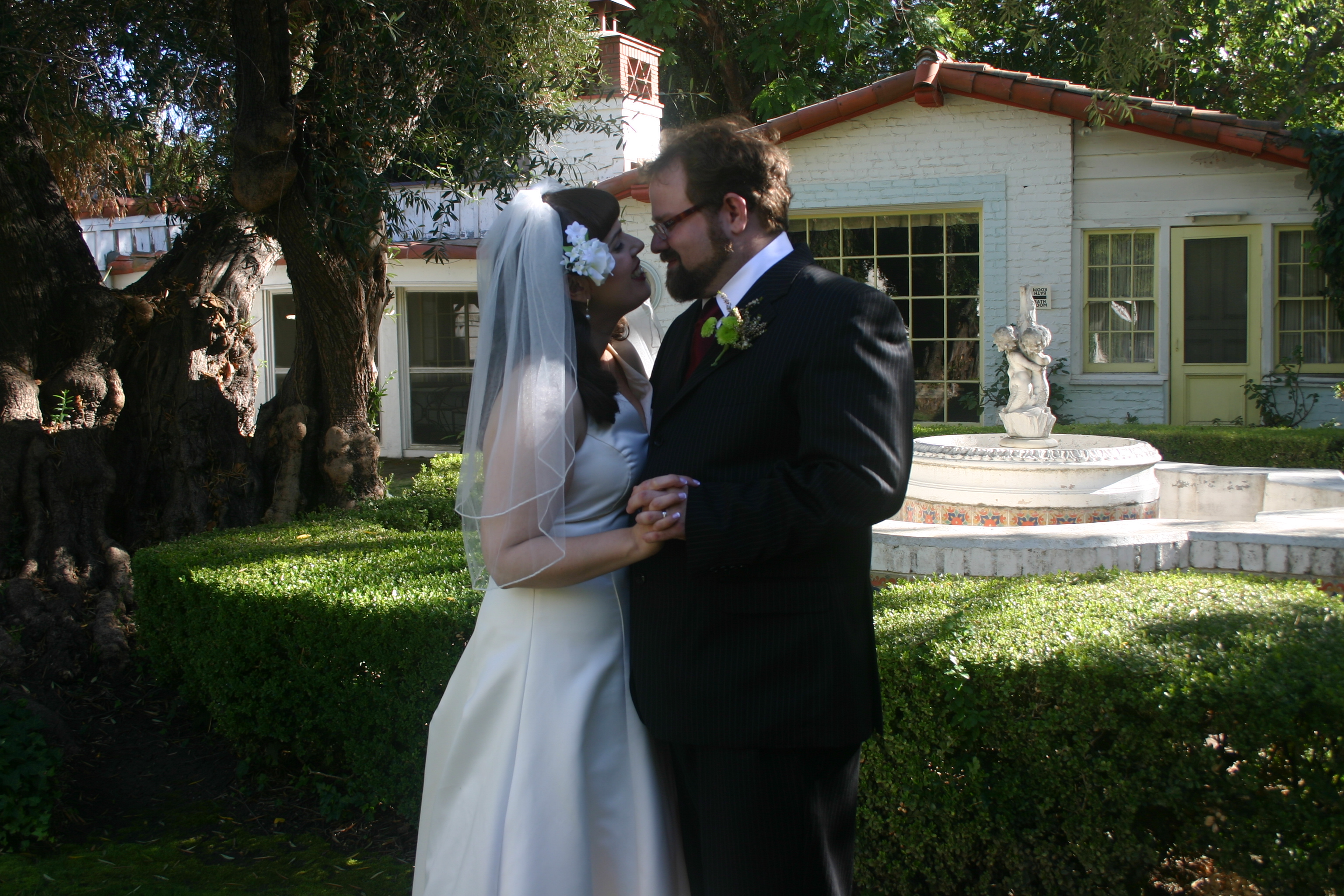
It’s been almost a year since I got married at Ann Dvorak’s house and since I am feeling a bit sentimental, I thought I would share a few wedding photos and give some background on the property.
Ann Dvorak and her husband, Leslie Fenton, purchased the property in the San Fernando Valley in 1934. Originally a 50 acre walnut ranch, the Fenton’s built a fairly modest home in the middle of the land along with servants quarters, horse stables, a pool house, and a greenhouse. The house and grounds were embellished with European imports and tiles by a local manufacturer called D&M.
Ann and Leslie lived on the ranch for ten years and made a substantial annual profit harvesting walnuts. When the Fentons split up in the fall of 1944, the home was put on the market and sold to crooner Andy Russell and his bride, Della. The Russells lived on the property until 1954 after having sold off the bulk of the acreage in the late 1940s. A music editor at Disney was the third owner of the Dvorak property who sold it to the current owner in 1959.
Ann was photographed on the property quite a bit and you can take a look at some pics on the Candids Page.
Here are a few shots of the wedding which give an idea of how amazing Ann’s home on the ranch is.
 Reception area.
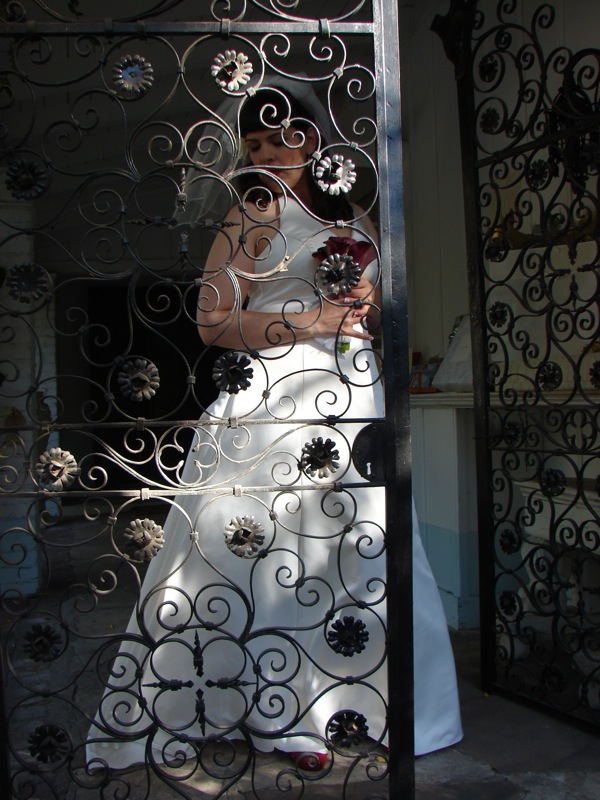 Gates leading into the courtyard.
 The handsome groom.
 The band in front of the former cow stable.
 Detail of the greenhouse.
 Ann's greenhouse.
 Detail of the house.
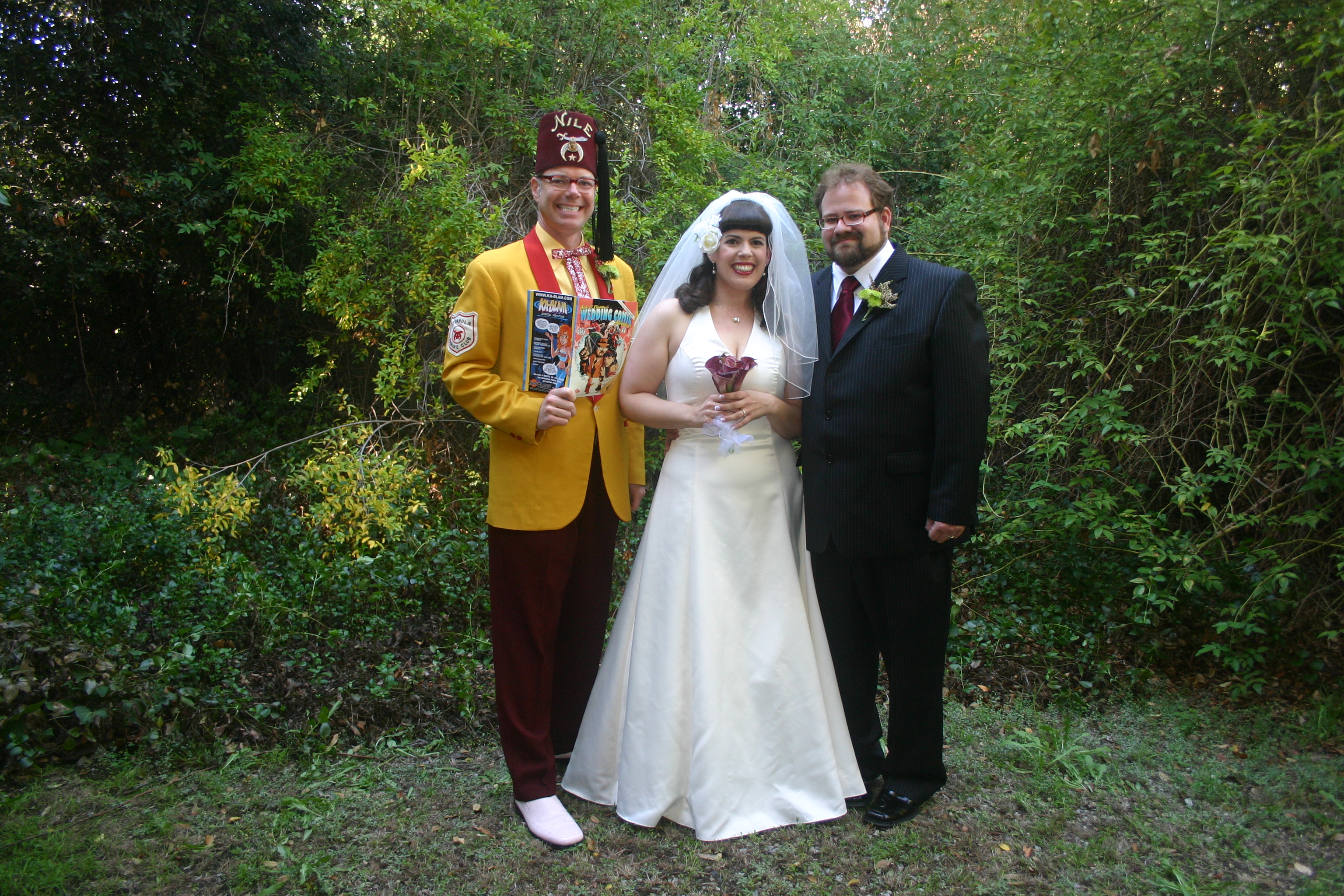 Officiant Charles Phoenix with the happy couple.
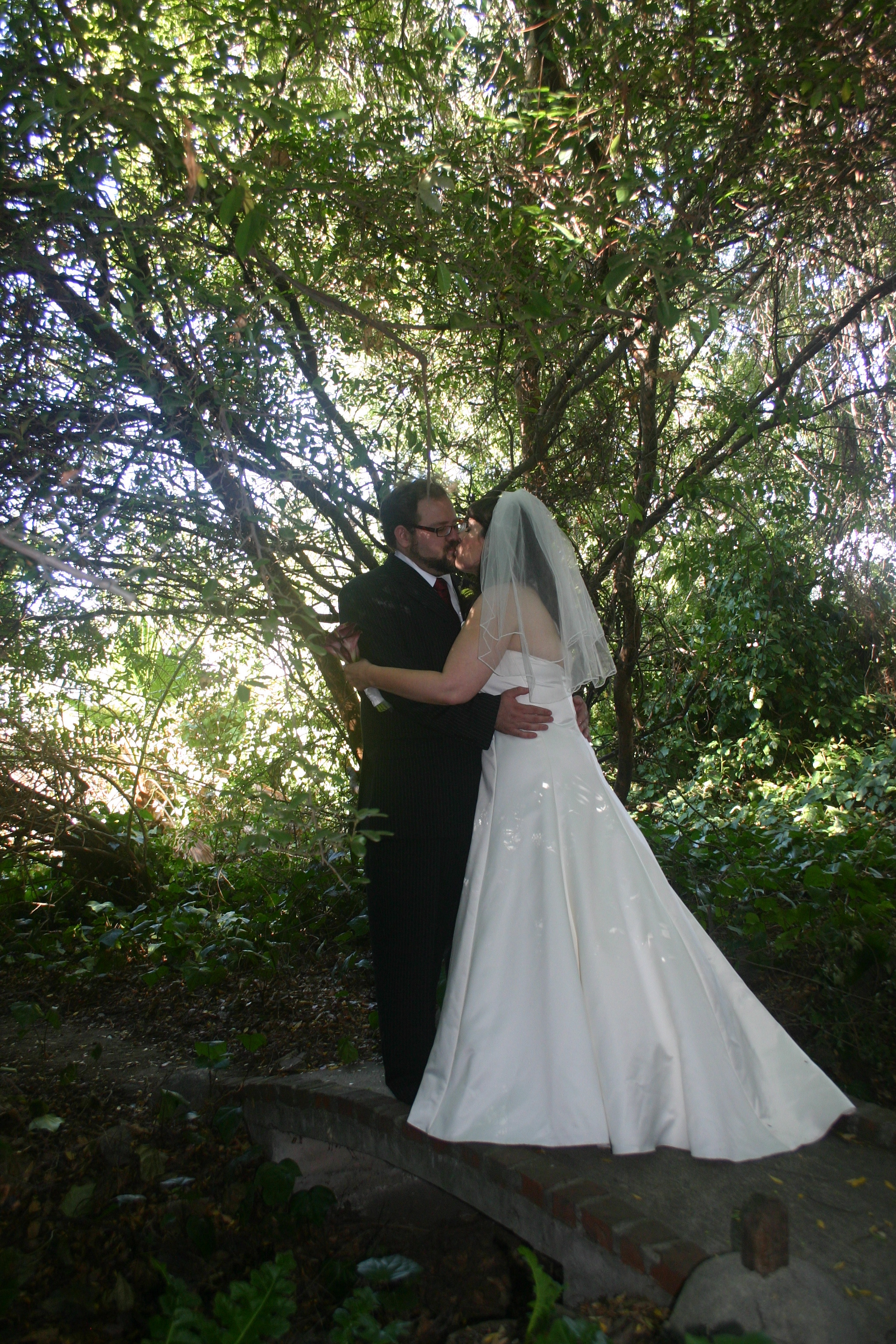 Posing on a mini bridge.
 Mugging at the end of the pool.
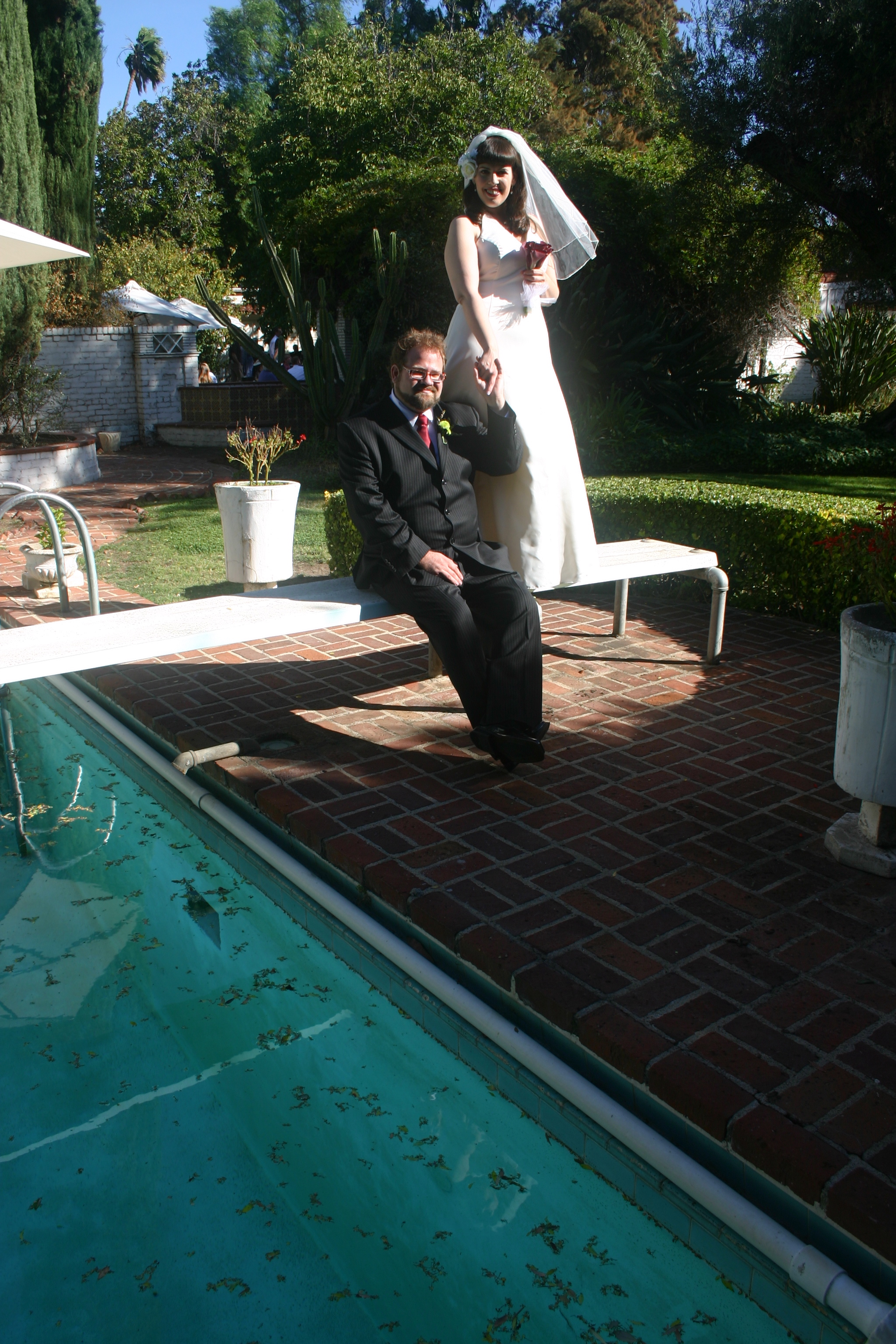 Posing on the diving board.
- In front of house and fountain.
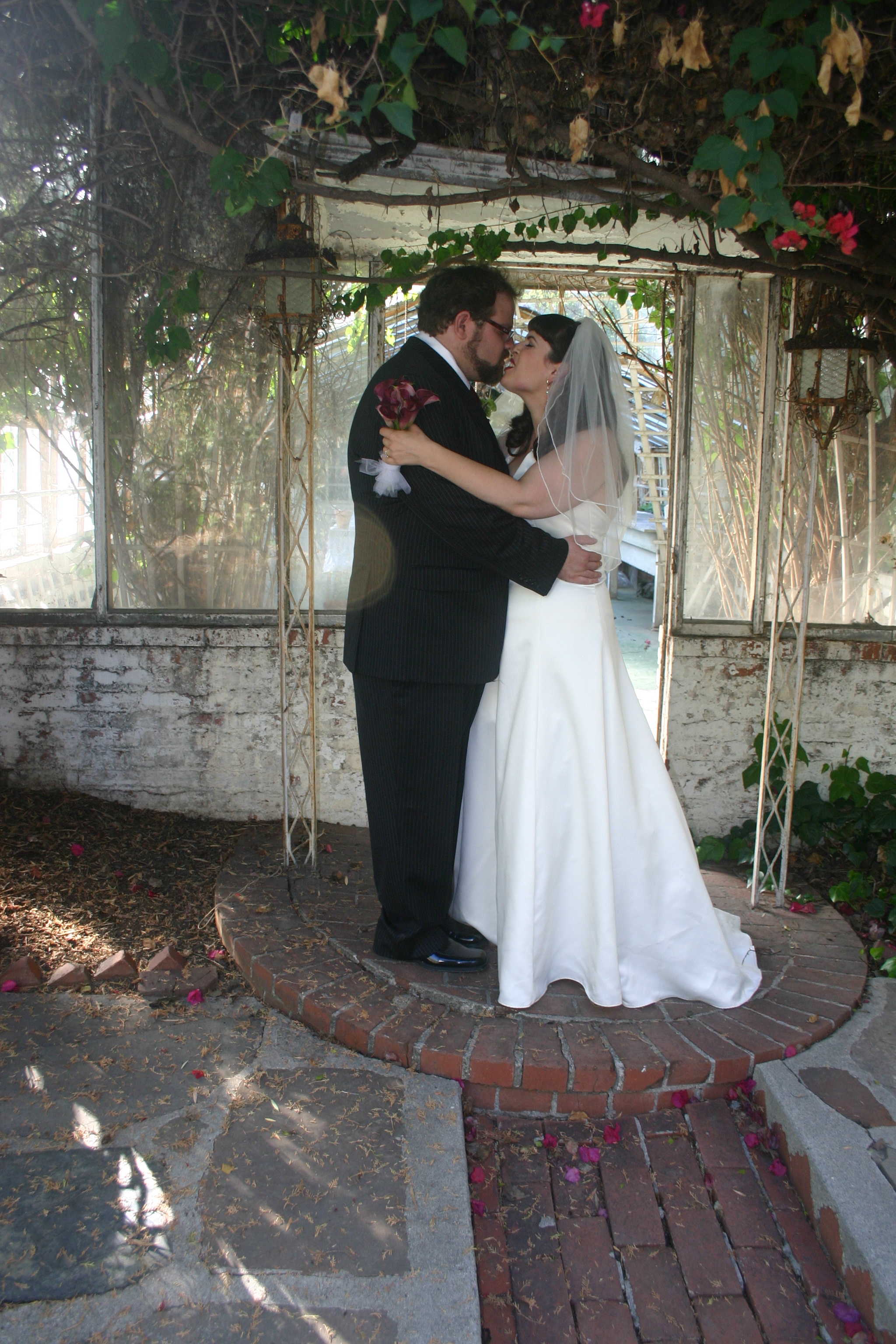 In front of the greenhouse.
 Walkway in between the pool and reception area.
 Bridesman Darin shares a bit of history with officiant Charles Phoenix.
 Detail of the house.
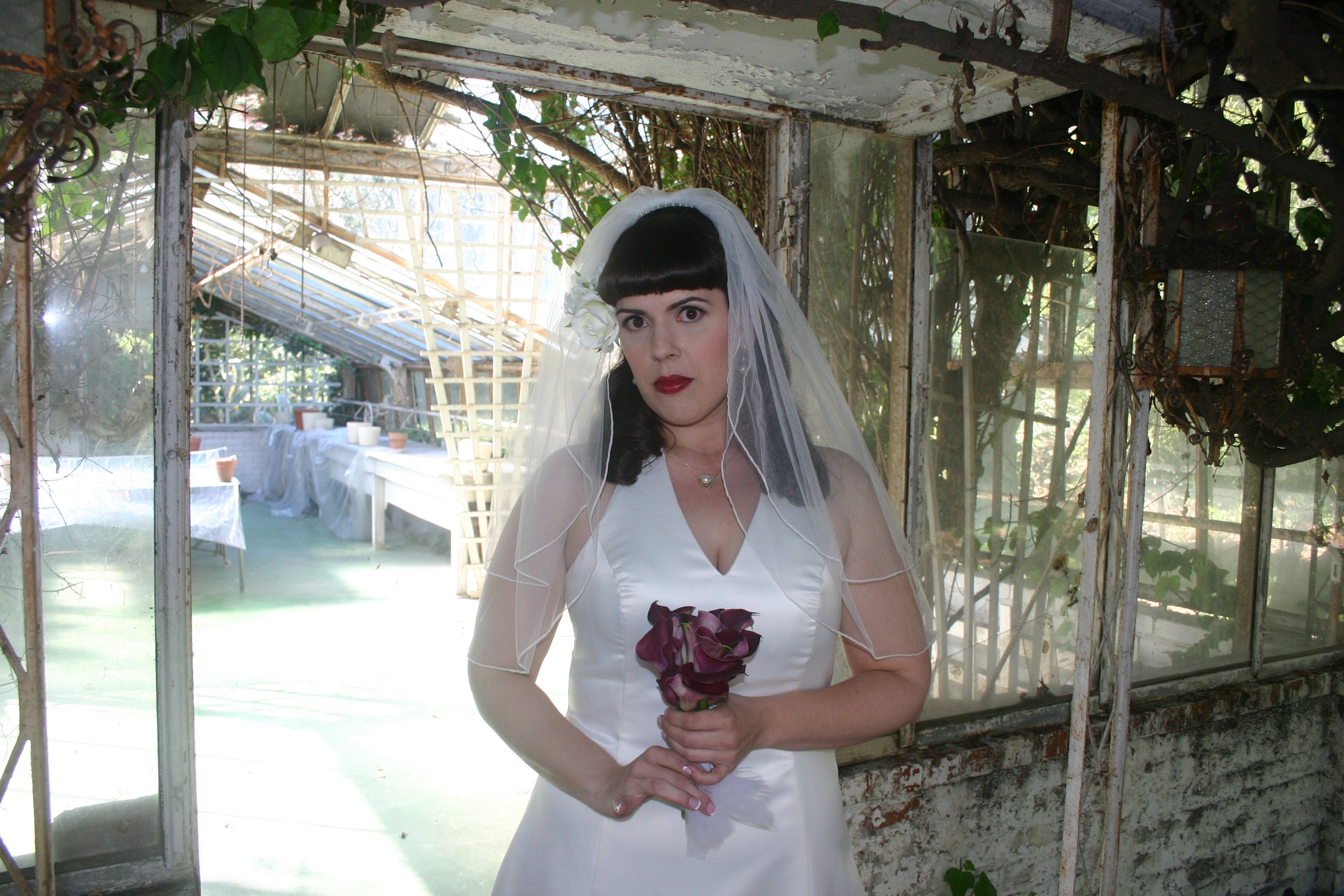 In front of the greenhouse just before the ceremony.
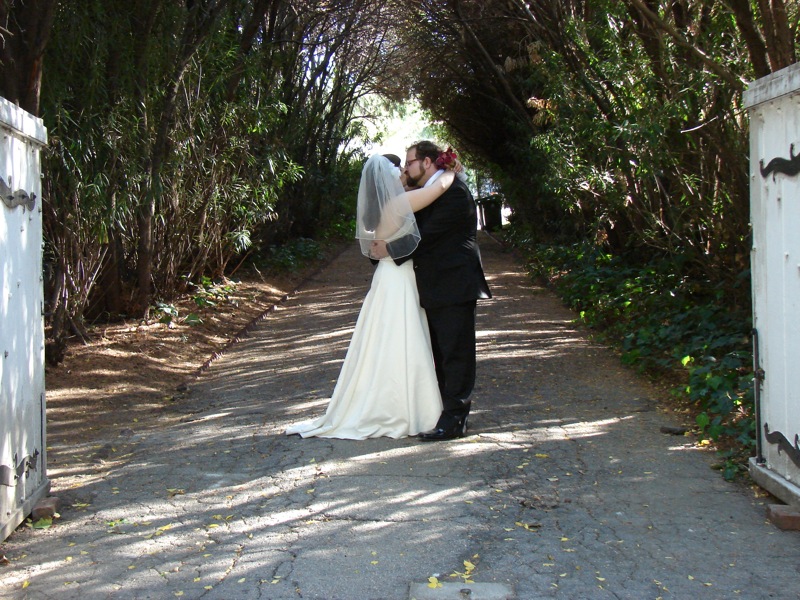 Shot of the driveway, facing the street.
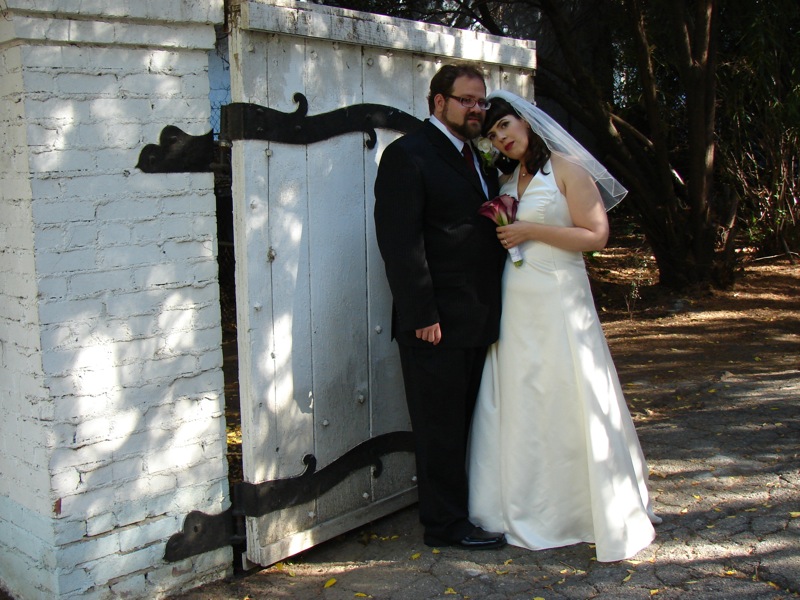 Posing with the entrance gate.
 The former garage.
 The pool before the ceremony.
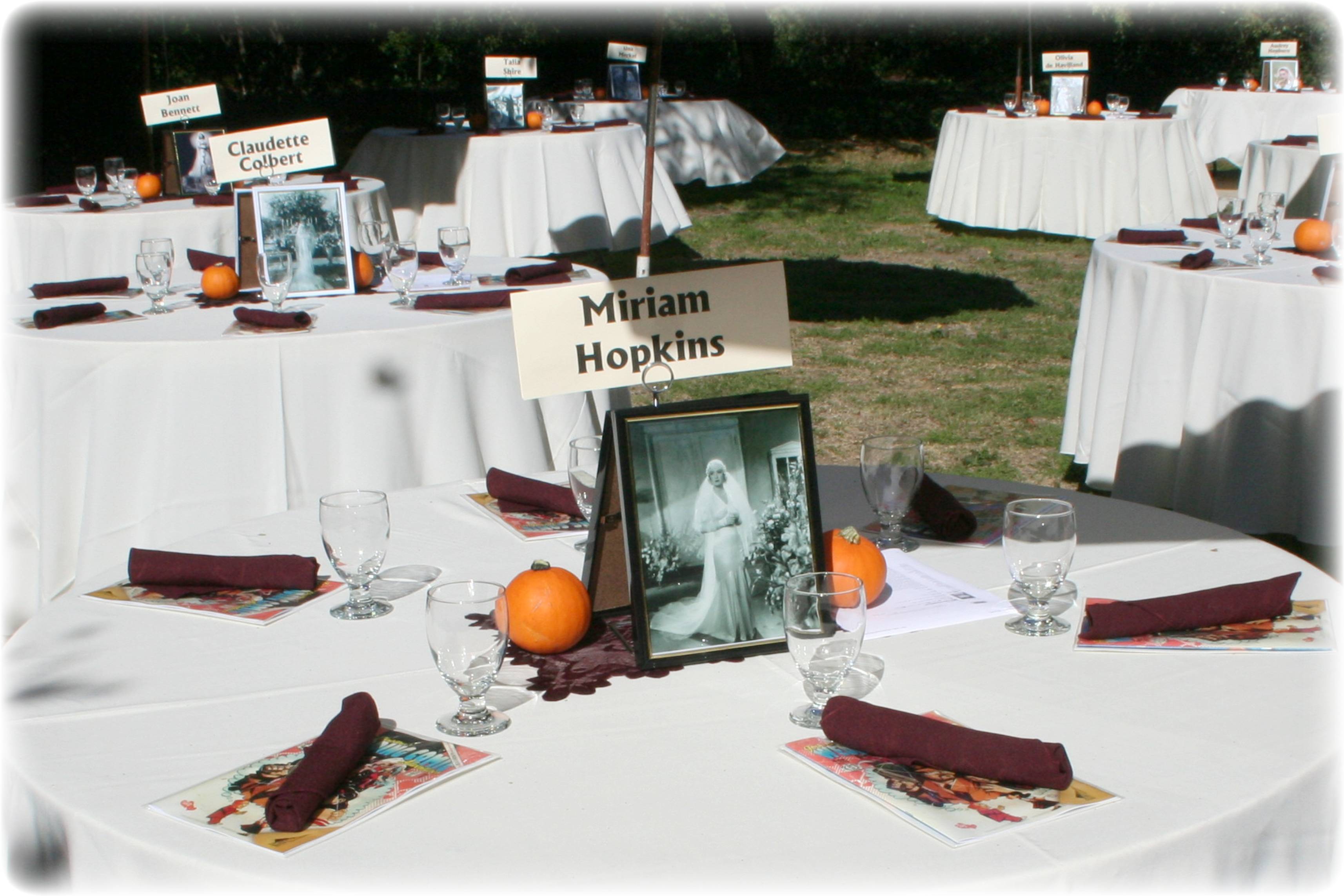 All the centerpieces were photos of actresses dressed as brides.
 Ceremony in progress.
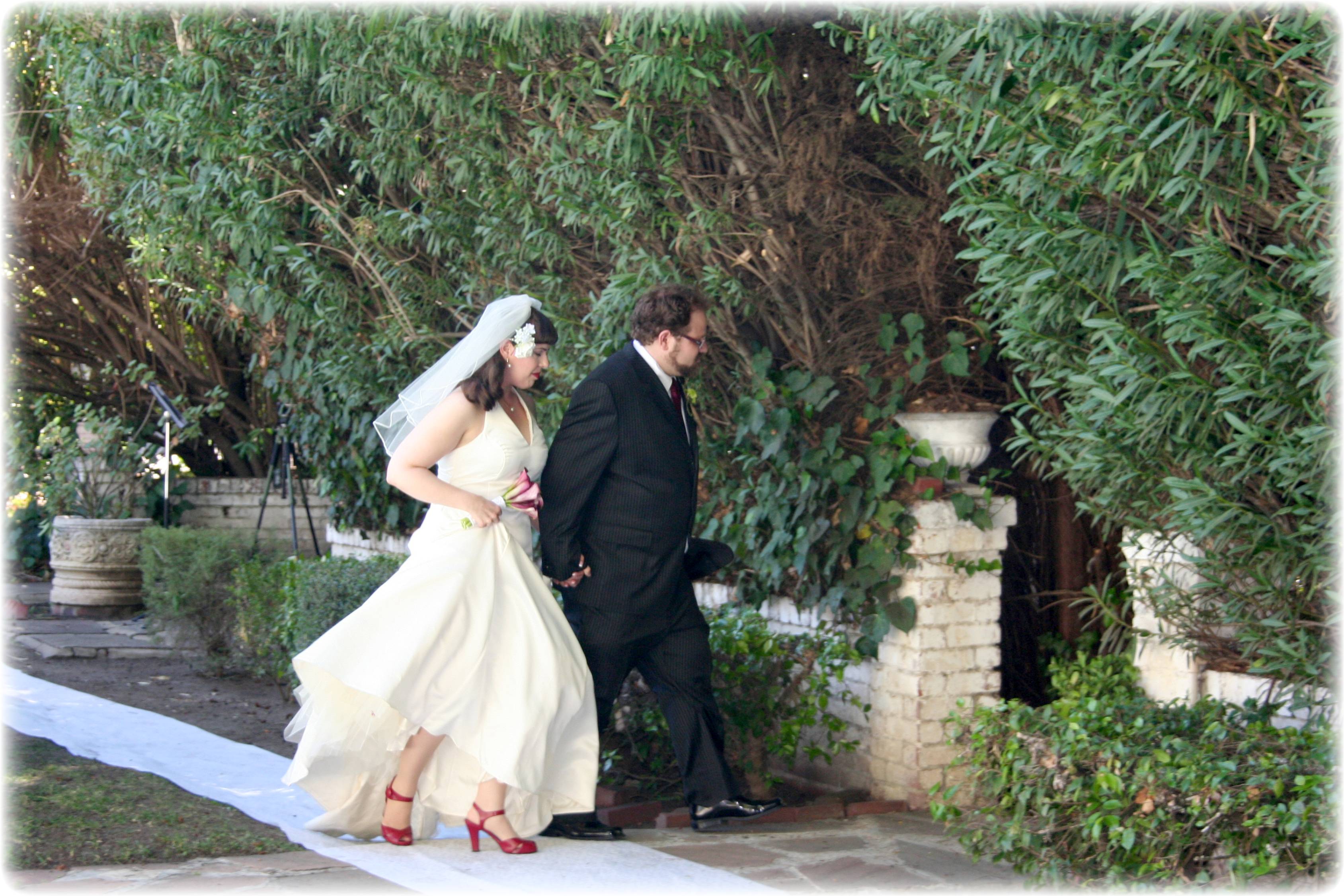 Just finished the ceremony.
 With a wishing well supposedly imported from Sicily.
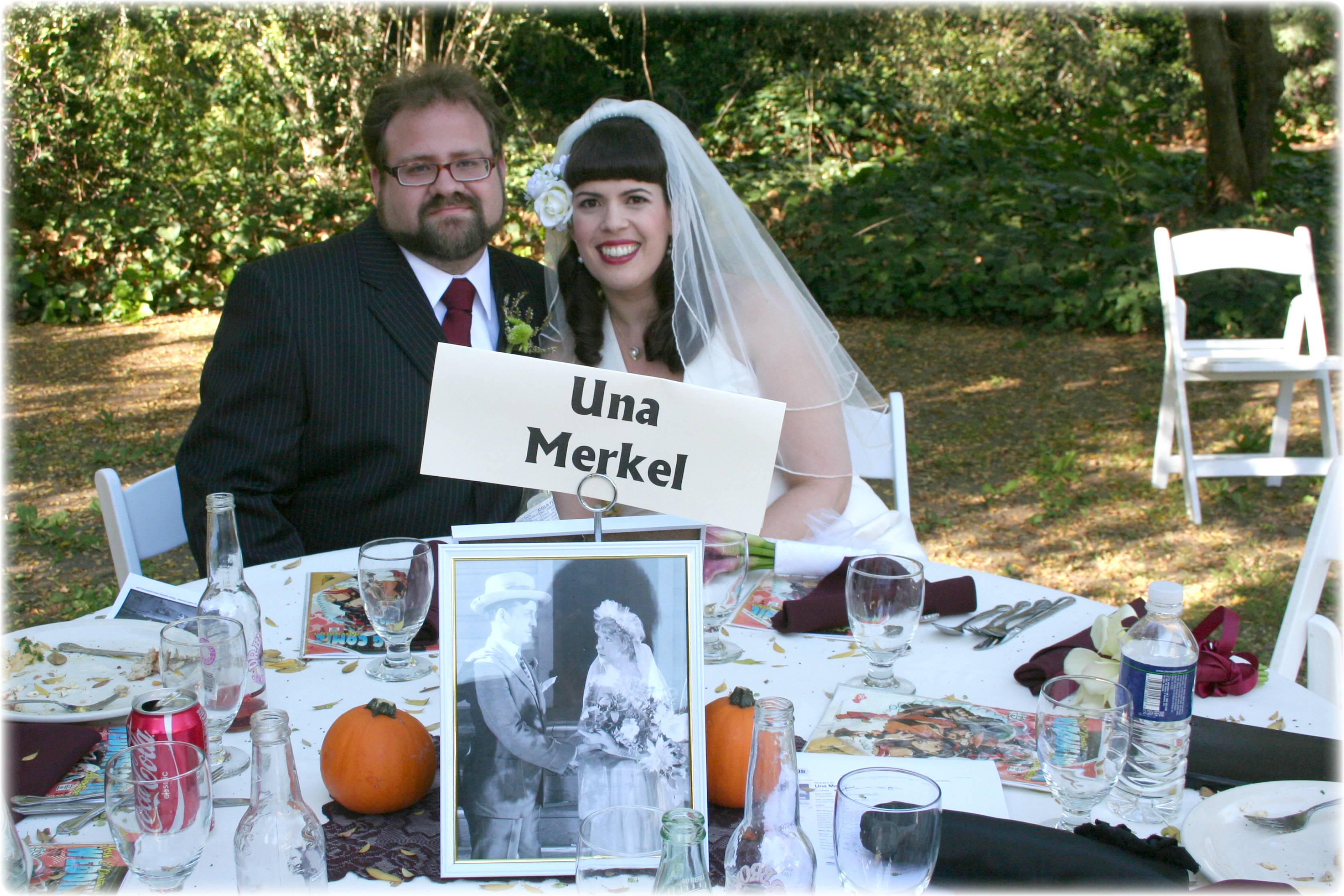 At the reception.
“The Hollywood Revue of 1929” on TCM
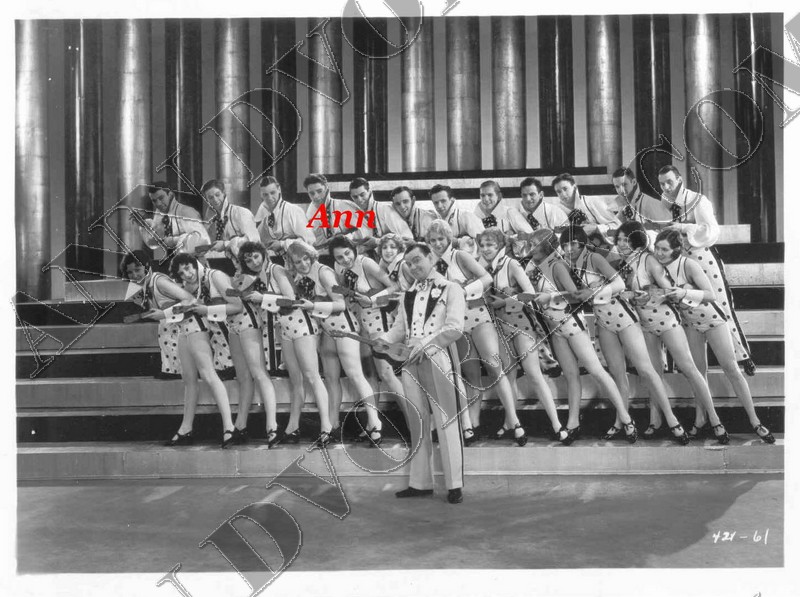
The Hollywood Revue of 1929 is going to air on Turner Classic Movies on Monday, August 4th at 6:00am EST
A while back I went to a screening of Ruben Mamoulian’s Applause starring Helen Morgan. The host began his introduction with something along the lines of “there were a lot of wrecks in 1929 and most of them were on the screen.” I think this perfectly sums up the pains Tinsel Town was experiencing as it launched into its first full blown year of talking pictures. While a few gems managed to make their way to audiences (Applause being one of them), many features of 1929 tended to be stiff and stagey, and generally difficult to sit through. The Hollywood Revue of 1929 is an interesting film because it’s really hard to watch and yet features so many great talents of the day that as a classic movie fan, it almost seems like necessary viewing.
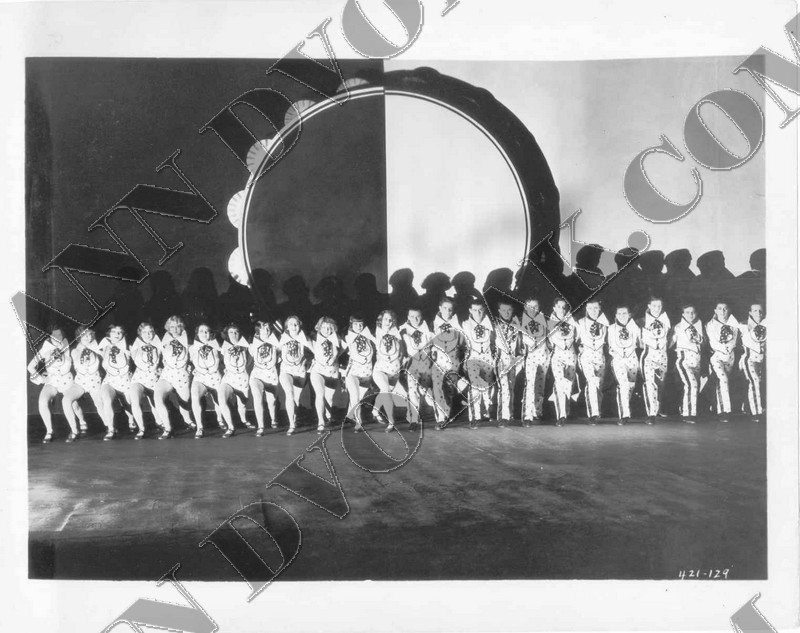
On paper, the Hollywood Revue of 1929 sounds kind of great. Most of MGM’s biggest stars (sans Garbo) were dragged out to perform tricks on the pseudo vaudeville stage where the film takes place. Jack Benny plays emcee, Joan Crawford tap dances with flailing arms, Norma Shearer and John Gilbert perform Shakespeare in two-color Technicolor, comedy is dished out by Laurel & Hardy, Buster Keaton, Marie Dressler, Polly Moran, etc etc etc. It all culminates in a splashy color finale with everyone belting out “Singing in the Rain” while wearing yellow slickers.
In reality, the film suffers from that poor early-talkie sound quality and very static camera work, which is typical of so many movies from 1929. Also, the material itself tends to be really dated and kind of corny. Despite its shortcomings, I still recommend Hollywood Revue for early film fans, though it is more tolerable to watch in small parts instead of all at once.
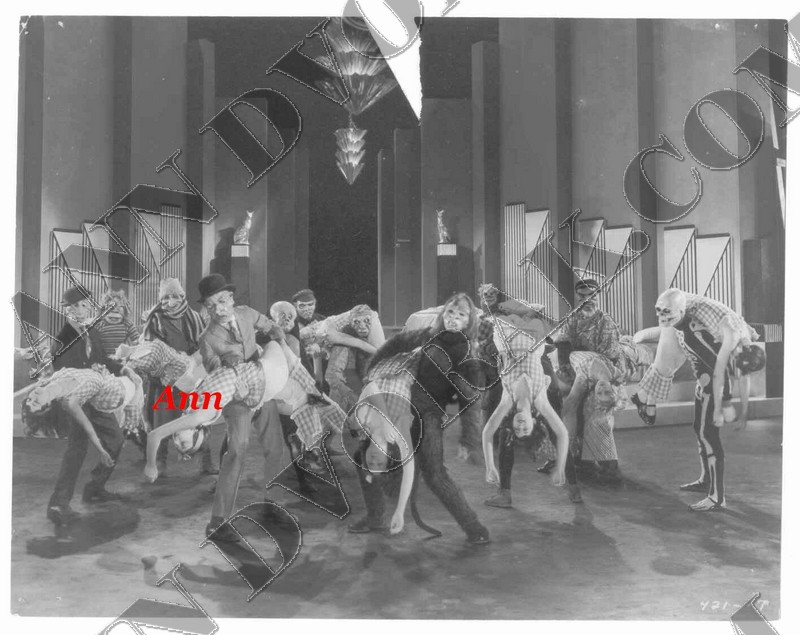
For Ann Dvorak fans, it’s not to be missed. The chorus is featured prominently in a lot of the musical numbers and a teen-age Ann is very easy to spot, usually on the left and always very enthusiastic. She even gets to speak two words and slaps Jack Benny! I especially love the “Lon Chaney Will Get You if You Don’t Watch Out,” number, which does not star the actor himself, but has actors dressed up like Chaney monsters terrorizing Ann and other chorus girls.
When the film was released, MGM pulled out all the stops in promoting it including a gala premiere at Grauman’s Chinese Theatre in late June of 1929. A couple of days before opening night, the studio promoted the film by setting up a “living billboard” on Wilshire Boulevard. This advertisement spelled out HOLLYWOOD REVUE is giant letters with a chorus girl perched upon each one. Photos of the “live ad” show Ann sitting atop one of the letters and looking extremely bored. This bizarre publicity stunt would be repeated on a larger scale in Times Square when the Hollywood Revue of 1929 had its New York premiere.
This Day in Ann Dvorak History
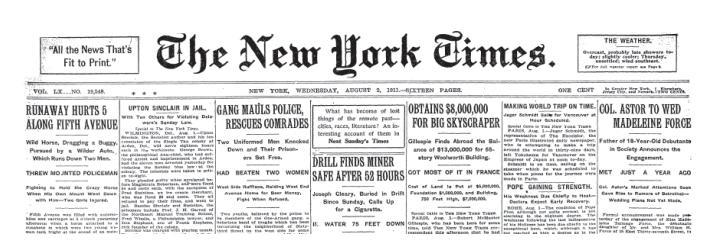
On August 2, 1911, Ann Dvorak…was born!
It was a Wednesday in New York City when the only child of vaudevillians Anna Lehr and Edwin McKim was introduced to world under the name Anna McKim. Since Ann’s birth did not make headlines, I am including a snippet of the front page of the New York Times on August 2, which reveals that there was a runaway horse buggy on Fifth Avenue and that financing was found to begin construction on the Woolworth Building.
I am currently slogging my way through chapter one of the Ann Dvorak biography (feel free to write harsh emails berating me for extreme procrastination), and have been putting together the early careers of Anna Lehr and Edwin McKim. Last night, I realized that a mere two and a half months before Dvorak was born, her mom was still performing on stage in Washington D.C. in all her pregnant glory. It’s no wonder Ann would pursue a career in showbiz, since her prenatal care included a healthy dose of audience applause.
So, If you get a chance, pop an Ann Dvorak movie in the DVD or VHS player and pay tribute to Ann on what would have been her 97th birthday!
“G Men” on TCM
‘G’ Men is going to air on Turner Classic Movies on Thursday, July 24th at 8:00pmEST
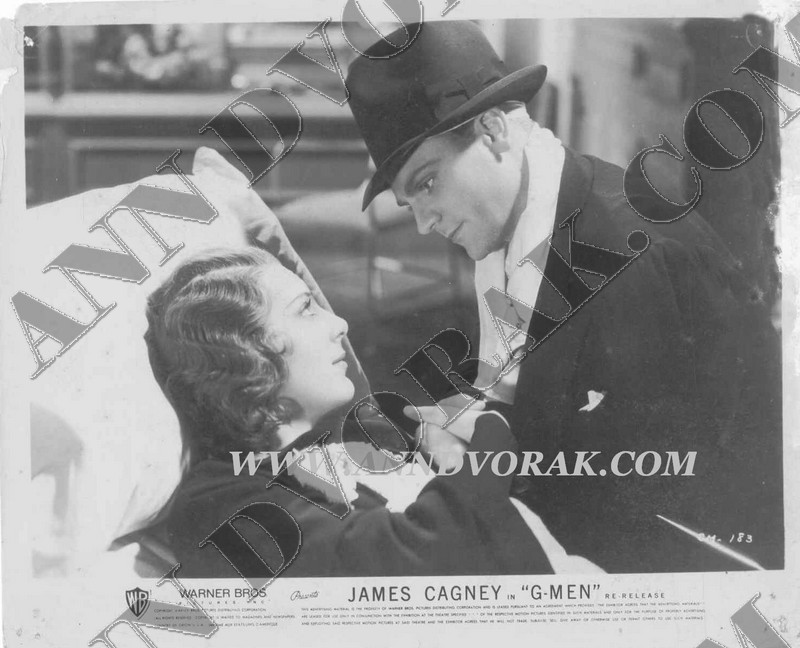
Ann Dvorak Performs “You Bother Me an Awful Lot”
Even though Ann Dvorak got her start in the movies as a chorine/assistant choreographer at MGM, she seldom got the chance to showcase these talents once she became a leading actress. Warner Bros did not cast her in any of those early thirties musicals featuring elaborate Busby Berkeley numbers, and when she did work with Berkeley in 1935 on Bright Lights, her dance time was limited. She got to do a bit of hoofing in Sweet Music and Thanks a Million, but her most memorable musical number is probably “You Bother Me an Awful Lot” from 1935’s G Men.
“You Bother Me an Awful Lot” is a fun number with all the girls tossing around some sort of lightweight ball. While Ann is certainly no Ginger Rogers, she is giving it her all and seems to be enjoying herself. Ann and James Cagney are great together, and I know have said it before but it’s really too bad they only made two films together.
Interestingly, producer Hal Wallis did not approve of the production design in this scene. Although he thought the night club should have less class and more grit and did not view the musical number favorably, the club scenes stayed in the film as originally shot. The chorus girl outfits with the stratigically placed tassels would be recycled a couple of months later when Bright Lights was filmed.

Vote to Get “I Was an American Spy” on TCM & DVD
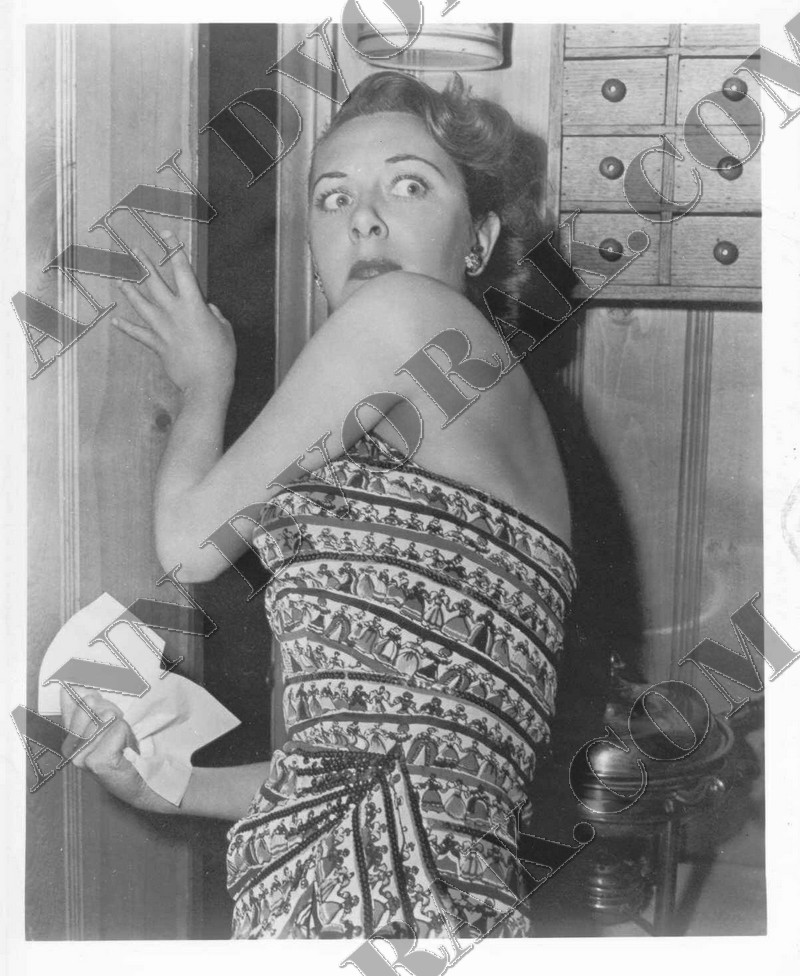
Anyone who has taken a look at the FAQs on this site knows that the most asked Ann Dvorak question is “Where can I get a copy of I Was an American Spy?” In the eleven years I have been collecting on Miss Dvorak, I have never been able to find a copy of the 1951 Allied Artists film. My understanding is that Warner Bros has a print, but no plans to release it on DVD.
Turner Classic Movies has a “Suggest a Movie” feature, as well as a “Home Video Vote.” Both are available on their I Was an American Spy page.
So, start clicking, suggesting and voting so we can finally see this movie!
Collection Spotlight – When eBay Goes Right
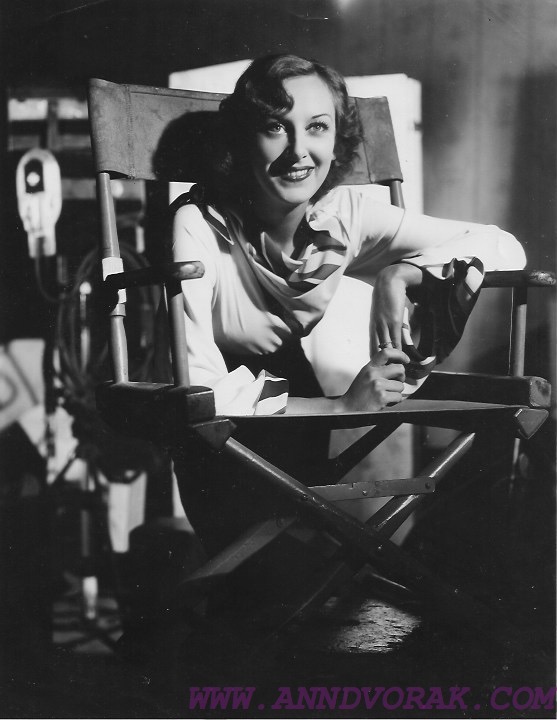
In the last post, I spoke of the frenzied bidding wars eBay can induced in individuals, causing them to pay far more for items than they would ever pay in person. On the flip side, fabulous items sometimes get listed and slip though the cracks, leaving a very happy collector paying far less than they would in person. Which brings us to the latest collection spotlight.
The above picture of Ann Dvorak was taken on the set of Housewife (1934), co-starring Bette Davis and George Brent. As I had mentioned in a previous post, Housewife is not Ann’s best movie, but it’s enjoyable enough and only one of two times she shared the screen with Bette Davis. When this photo was listed, the opening bid was only 99 cents and the description was very vague, leading me to believe that it was a cheap reproduction. Still, I love candid photos and figured this great shot of Ann was worth spending a couple of bucks on.
No one else placed a bid on the photo and it was mine for 99 cents, plus shipping which was four times the cost of the photo. Imagine my surprise when I opened the package to find an original photographer stamped photo!
Between this photo and the candid from The Way to Love discussed last time, the cost of the two averages out to 40 dollars a piece. This is still really high, but at the same time allows me to justify spending way to much on some things, because it all averages out.
Collection Spotlight – When eBay Goes Wrong
For over ten years, eBay has been a daily part of my life and has proven itself time and again to be a blessing and a curse. On the one hand, we collectors have access to items from all over the world that we might not encounter without online auctions. On the other hand, having access to items all over the world on a regular basis can really drain the bank account. I am always shocked by my monthly total on the “Items Won” section of “My eBay.”
Traditionally, I have found myself paying far more for items on eBay than I would in person. I guess there’s a sense of urgency and paranoia that once the auction ends you will never see the item again. Add onto it the sense of competing with the entire world and one can go a bit crazy with the bidding.
If there is one thing that 10+ years of collecting movie memorabilia has taught me, it’s that stuff always shows up again. It may take 5 years, but the poster or photo that got away on eBay will be yours eventually (esp photos which the studios printed and distributed in large quantities). Still, sometimes bidding can get out of hand and we are left with the consequences.
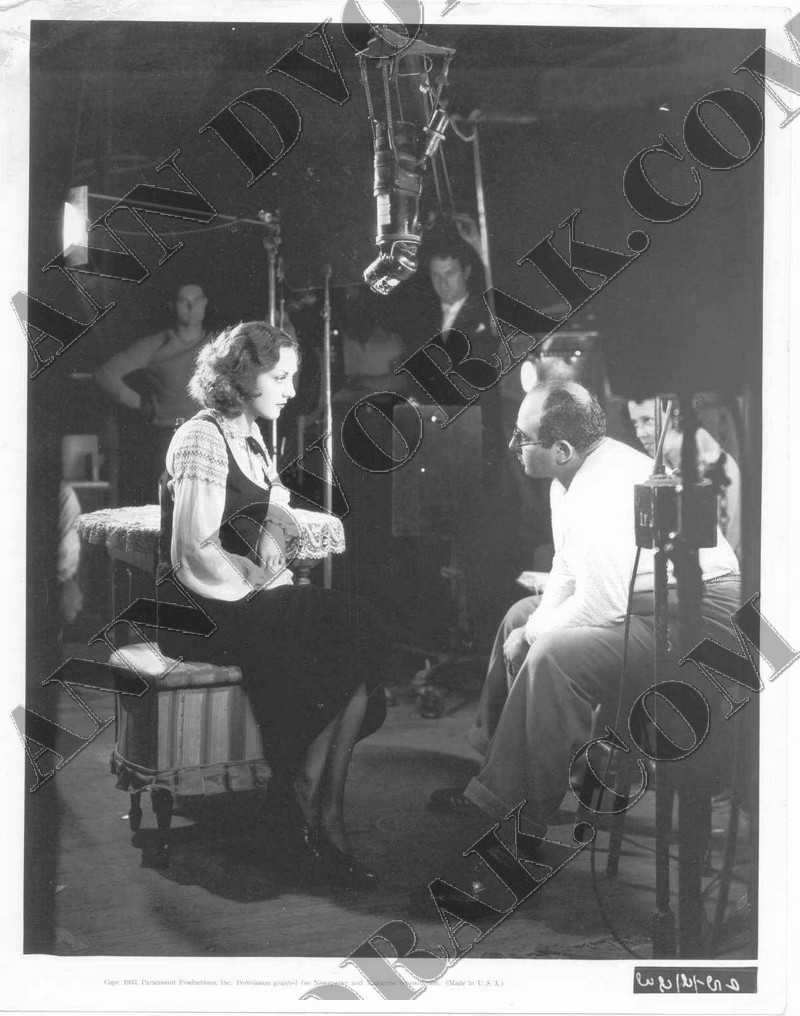
Which brings us to the week’s Collection Spotlight. I bought this still from The Way to Love a few years back on eBay. Behind the scenes shots are always pretty cool, but this particular photo showing Ann and director Norman Taurog is especially striking. Not only is the lighting very dramatic, but the two of them look so intense, you’d never know this was a comedy. I was so taken with this photo that I put in some ridiculous ceiling bid on eBay, never thinking that I would have fierce competition for it. While it is one of my favorite Ann-D photos, every time I look at it all I can think is “I can’t believe I paid 80 dollars for this!” Of the 845 photos I own of Ann, there are very few that I have paid more that $20 for, which is why this particular purchase was so painful, though I probably would have been really upset if I had not won the auction. Since then, I usually try to shy away from putting in high bids that I am not serious about.
The Way to Love was Ann’s first film in almost year, after walking out on her contract in July of 1932 to honeymoon in Europe. Warner Bros loaned her out to Paramount for this Maurice Chevalier musical, and interestingly, Ann replaced Sylvia Sidney who had been giving the studio a hard time. It’s a sweet film and a little bizarre, as early Paramount films tend to be, with Ann playing a forlorn gypsy.
Up next time…when eBay goes right.
Technical Difficulties
So, I just realized today that when I relaunched the site last November, the christina@anndvorak.com email address stopped forwarding to my Gmail. Yes, I thought it was a little odd that I had not heard from other Ann fans for awhile, but apparently not odd enough to look into it. Now, I have around 900, mostly spam, emails to sort through, but it looks like a few admirers of Miss Dvorak have been kind enough to drop me a line.
For those of you who sent me an email sometime in the last six months, my apologies for being so lame, and you will be hearing from me in the next couple of days.