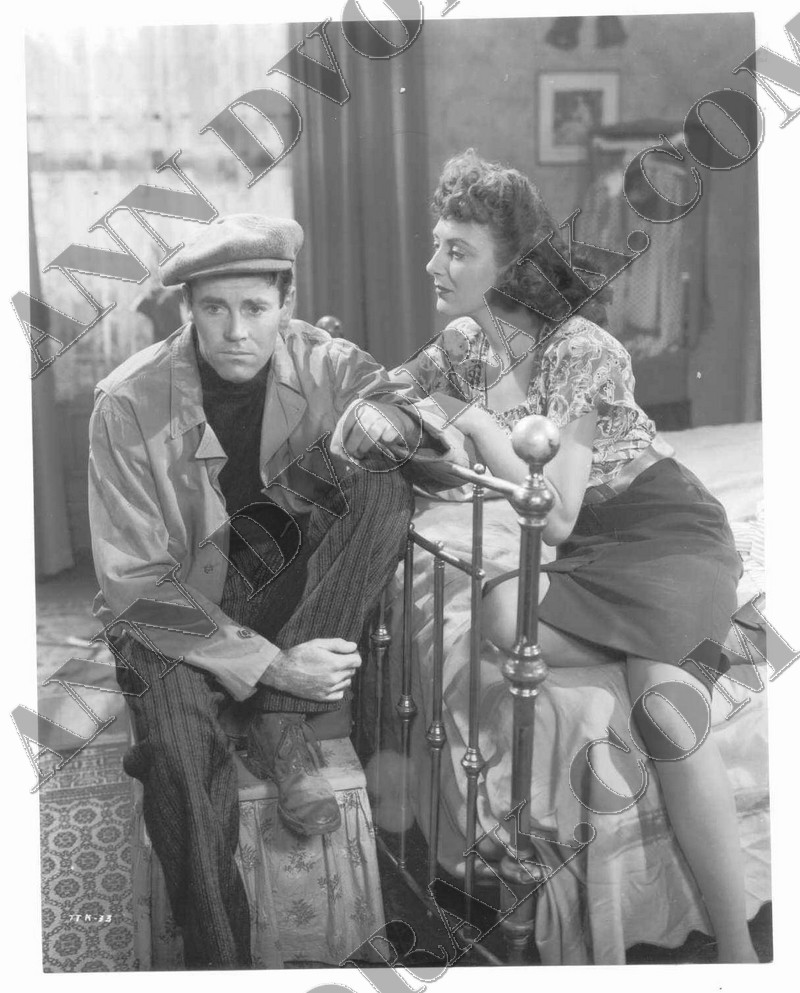
Harlow & Dvorak at 100, an Appreciation
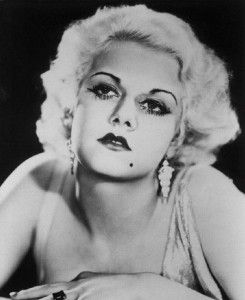
This Thursday marks what would have been the 100th birthday of screen legend Jean Harlow. To commemorate this occasion, the Kitty Packard Pictorial has organized a Blogging it for the Baby, Jean Harlow Blogathon which is taking place this entire week. The project, which encourages bloggers with film related sites to post about Harlow all week, struck me as a really interesting idea and something I wanted to participate in. However, my instant reaction was how could I possibly write about Jean Harlow in a way that is appropriate for a site devoted solely to Ann Dvorak? I figured I would have to sit this one out on the sidelines until I really started thinking about these two actresses and realized they actually have a few things in common, not least of which 2011 also marks Ann Dvorak’s centenary this coming August 2nd.
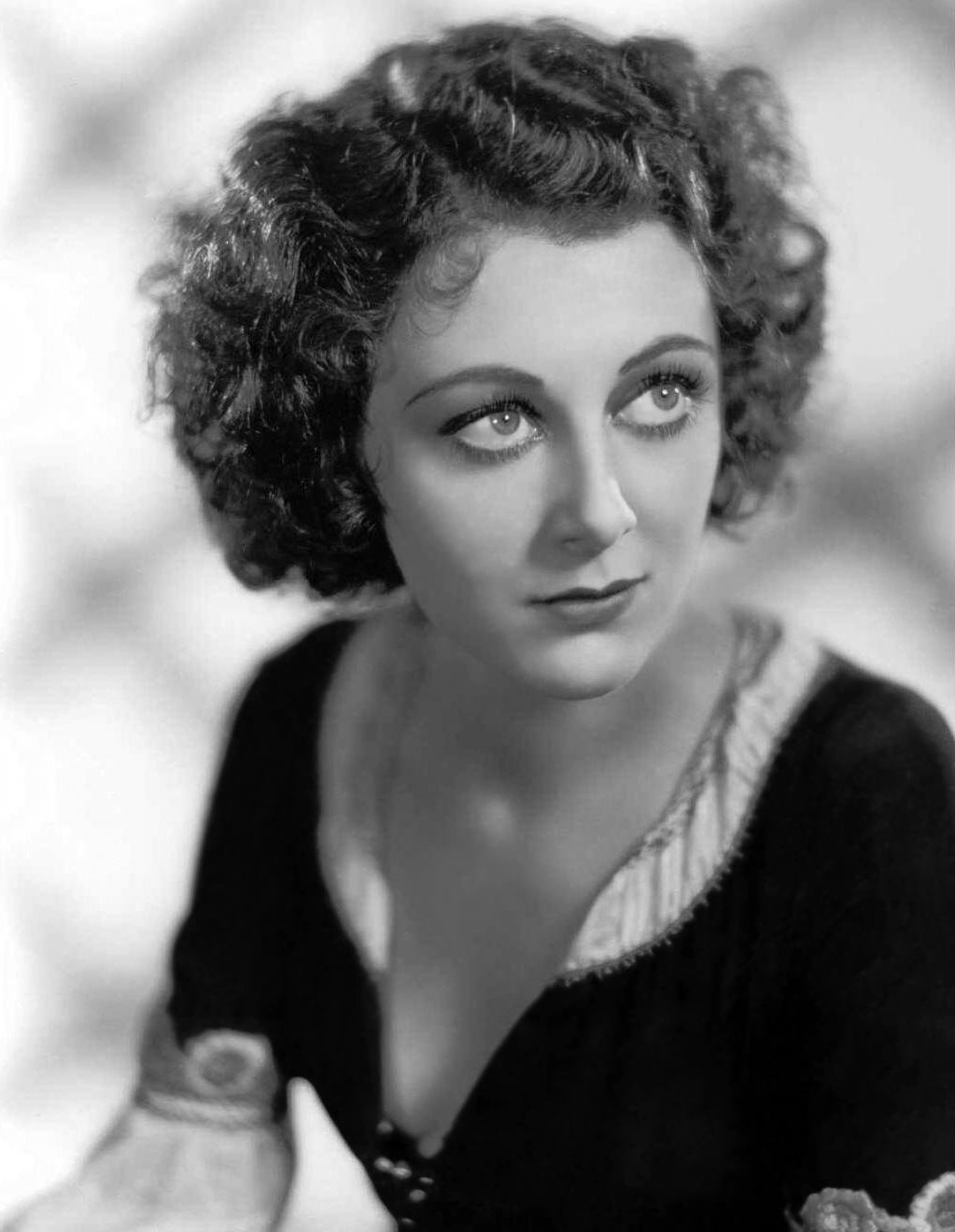
At first glance it seems that Jean Harlow and Ann Dvorak were worlds apart. Harlow was the wise-cracking platinum blonde who was able to use overt sexuality as a comedic weapon. Dvorak was the brooding brunette whose high-wire intensity played out best in dramatic form. Harlow landed at M-G-M, a studio who carefully crafted an on screen persona that film fans loved and sent her skyrocketing to the top of the box-office. Dvorak was at Warner Bros., a studio focused more on making movies than movie stars and who let Ann languish in mostly supporting roles unworthy of her talent. Harlow was stricken down at age 26 at the height of her popularity, her funeral was a star studded media event, and her grave is a place fans visit (or at least try to visit) continuously. Ann died in obscurity at age 68, almost 30 years after retiring and her ashes were spread over Waikiki Beach by a handful of friends. Harlow has had a consistently high place in the annals of film history, while Dvorak is lucky to be included as a footnote.
Despite these many differences, the two actresses also had a few things in common. Both women started off in the film industry when they were teenagers. Harlow as an extra and bit player with Fox, Paramount, and Hal Roach, and Dvorak as an extra and chorus girl at M-G-M. Both assumed their mother’s name as their stage moniker, and while Harlean Carpenter was always known to fans as Jean Harlow, Anna McKim went by Anna Lehr for only a short period of time before opting for the more exotic Ann Dvorak. Both mothers were very dominant and seemed to enjoy their daughters being in the spotlight more than the actresses themselves did. While Dvorak’s mother had a decade long career as a film actress, Mother Jean’s aspirations at film stardom never panned out.
Ok, perhaps the above comparisons are grasping at straws a bit, but there is one common thread between the careers of Jean Harlow and Ann Dvorak that is undeniable. They were both given their big break in the movies by Howard Hughes. Harlow delighted audiences in as the vampy Helen in 1930’s Hell’s Angels, and Dvorak shocked 1932 film-goers in Scarface as Cesca, whose feelings for older brother Tony (Paul Muni) go way beyond sisterly affection. While Hughes’ eagle-eye spotted talents in both woman that wasn’t readily apparent to other film-makers, his association with both was brief. Harlow would make only the one film for the Caddo Co. before being loaned out to M-G-M who eventually bought her contract from Hughes for $30,000. Dvorak made one more film for Hughes, Sky Devils, and was then loaned out to Warner Bros. exclusively. The Burbank studio became her permanent home after Hughes unloaded her contract for $40,000. Without Howard Hughes, it’s possible that neither woman would have made their mark on film history by becoming the emblematic Pre-Code female, strong, sexually aware, self possessed, and damn fun to watch.
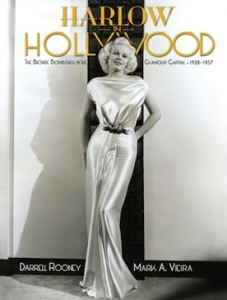
While my Ann Dvorak biography is still a seemingly never ending work in progress (I’ll have an updated report soon), I can at least mention a new Harlow book, Harlow in Hollywood: The Blonde Bombshell in the Glamour Capital, 1928-1937, by Darrell Rooney and Mark Vieira. Due out this month, Harlow in Hollywood contains a bonanza of rare images and judging from Vieira’s previous books like Irving Thalberg: Boy Wonder to Producer Prince, I am betting the text will be well researched and thoughtful. This book looks like it’s going to be a must have for fans of Harlow, classic films, and Los Angeles history.
Happy 100th to the Baby and Ann-D! Enjoy the rest of the Harlow Blogathon over at the Kitty Packard Pictorial.
Ann Dvorak DVDs from Warner Archive, a Rundown

I recently received a very nice email from a gal who commented that this site made her aware of some Ann Dvorak, Warner Archive releases she didn’t know about. Since so many of Ann’s films have been made available through the Warner Archive, though she is not always credited in the descriptions, I thought I would do a quick recap.
Before we begin, I just wanted to express how amazing the Warner Archive is. I’ve seen some snarky comments around the Web about the bare bones DVD-Rs being a rip-off at $20 a shot. All I know is that I was in the process of booking a $500 (yes, $5-0-0) screening of I Was an American Spy at the Warner Bros lot in Burbank when the Warner Archive made it one of its inaugural titles. Compared to what I was willing to pay, $20 seems like a steal and I’m sure a lot of other film fanatics have had similar experiences with hard-to-find titles. Besides, they have so many sales and promotions that I seldom have to pay the full amount.
Without further ado, here is a list of Warner Archive Divine Dvorak DVDs with descriptions that focus on Ann’s role rather than the plot of the film as a whole:
The Strange Love of Molly Louvain (1932, Warner Bros)Â – Ann’s bad taste in men leaves her with a kid out of wedlock (who has a British accent), a potential wrap sheet, and a bad blonde wig.
Stranger in Town (1932, Warner Bros) – Ann is torn between her loyalty for her grandfather (Chic Sale) and her devotion to her new squeeze (David Manners) who have competing markets in the same small town.
College Coach (1933, Warner Bros) – Neglected by her college football coach husband (Pat O’Brien), Ann casts a wandering eye on one of the team’s players (Lyle Talbot).
Heat Lightning (1934, Warner Bros) – When Ann is stifled by her desert surroundings and overprotective older sister (the always awesome Aline MacMahon), she makes some poor decisions that leave her unlucky in love.
Midnight Alibi (1934, Warner Bros) – Gangster Richard Barthelmess gets on a rival’s super bad side by falling for his kid sister (Ann-D). Can love really conquer all?
Side Streets (1934 Warner Bros) – Ann finds herself with a child out of wedlock from a scoundrel (Paul Kelly) who is already married to (the always fabulous) Aline MacMahon.
Stronger Than Desire (1939, M-G-M) – Directed by then husband Leslie Fenton, Ann looks stunning as she is accused of a murder she may or may not have committed. Highlights are an under-oath break-down, and courtroom fake faint as commanded by attorney Walter Pidgeon.
I Was an American Spy (1951, Allied Artists) – See Ann thwart the Axis powers in the Philippines, kind of do a fan dance, and sing “Because of You” before being captured and tortured by Japanese forces in this film based on the true story of Claire Phillips.
For those of you who are die-hard Dvorak devotes, the following releases feature Ann as a chorus girl or extra:
Hollywood Revue of 1929 (1929, M-G-M) – It’s all talking, all singing, all dancing, all Ann Dvorak! Well, not really, but she is in this one a lot as the chorus is featured in the bulk of the numbers. She also utters her first onscreen words, “pardon me,” to Jack Benny and slaps him.
It’s a Great Life (1929, M-G-M) – See Ann take front-and-center and dance her little heart out to the “Hoosier Hop,” a number she supposedly choreographed.
Chasing Rainbows (1930, M-G-M) – Ann’s very visible in an early backstage scene, but a big musical number at the end is missing and supplemented with scene stills.
So This is College (1929, M-G-M) – Ann is young (seventeen), sans make-up, and her eyebrows have never seen tweezers in this early talkie. She is quite visible in a couple of scenes.
Lord Byron of Broadway (1930, M-G-M) – Ann pops up in the “Old Woman in a Shoe” number.
Politics (1931, M-G-M) – Ann can be seen in the crowd at a political rally in this early pro-feminist comedy starring Marie Dressler and Polly Moran.
This Modern Age (1931, M-G-M) – Ann dances and party crashes in this Joan Crawford drama.
Love in the Rough (1930, M-G-M) – This one is only for the Ann Dvorak completest (which may just be me), as the musical number she is in was cut out.
That’s it for now. Hopefully we’ll be seeing The Crowd Roars, Housewife, and Massacre from the Warner Archive in the near future.
“Blind Alley” on DVD
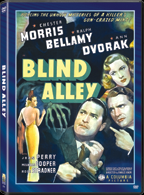
Ann Dvorak made three films with Columbia in the late 1930s, none of which were ever released on VHS. Now through the Columbia Screen Classics by Request program (similar to the Warner Archive), Blind Alley is available for purchase.
I spoke about Blind Alley on a recent post when it played at the annual San Francisco Noir Festival last month, so I won’t rehash my take on it now, only to say that it’s worth a watch.
What I will talk about briefly is the box art, which uses the one-sheet for the film. Please note Ann Dvorak’s top billing on the poster and yet she is no where to be found. When I first saw this, I figured Joan Perry was the dame depicted on the poster, and did not feel so bad because she became Mrs. Harry Cohn a couple of years later. However, I later realized that it’s Rose Stradner looking so forlorn next to Ralph Bellamy and Chester Morris, and that just makes me mad. It’s one thing if the studio’s main squeeze makes it onto the advertising, but Ann getting bumped for someone so low in billing just seems wrong. I have nothing against Miz Stradner personally, I’m sure she was lovely, and I merely bear the mark of frustration after being a disgruntled Ann Dvorak fan for so many years.
Aside from my anger over advertising decisions made more than seventy years ago, I am pleased Blind Alley is being made readily available and look forward to Ann’s other two Columbia films, Cafe Hostess and Girls of the Road being released through Screen Classics by Request.
“Scarface” on TCM
Scarface is going to air on Turner Classic Movies on Friday, January 21st at 6:30pm PST.
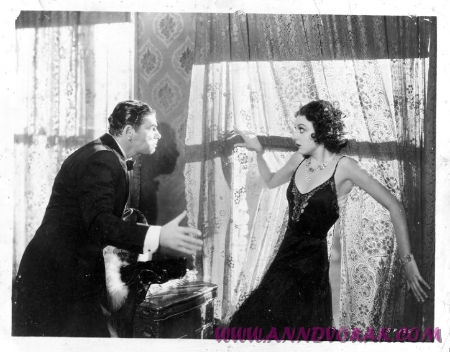
Ann Dvorak appeared in 53 feature films (not counting her appearances as a child-actor and chorus girl). Some are lousy, others merely watchable, and a few are damn good. In my humble opinion, the one that stands above all the others and is a truly great film is 1932’s Scarface.
Directed by Howard Hawks, produced by Howard Hughes, and starring Paul Muni, Scarface is legendary for the censorship battles it sparked between Hughes and the Production Code Administration, as much as it is for being one of the quintessential gangster flicks of the early 1930s. Also, this was the film that spawned the 1983 Brian DePalma movie of the same name, starring Al Pacino. Scarface is also the first film Ann Dvorak was cast in as an actress as opposed to an extra or member of the chorus.
When watching the film, it’s hard to believe this is the first time Ann really acted on screen, and that she was barely twenty years of age. She more than holds her own with Muni, who was already an accomplished stage actor, and her scenes with an equally effective George Raft are electrifying. Her death scene could have been melodramatically comedic, but instead is quite convincing. With her heavily char-coaled eyes and teased up hair, she is never quite this striking looking in any other film.
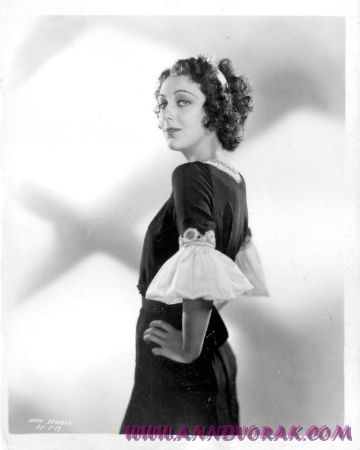
The censorship issues with Scarface delayed the film’s release for a number of months and unfortunately, the first movie bearing the name “Ann Dvorak” was not this one, but Sky Devils, a not so funny comedy starring Spencer Tracy and featuring rehashed flying footage from Hughes’ Hell’s Angels.
Scarface is definitely “Ann Dvorak 101,” so if you haven’t seen this one before, set your dial to TCM and enjoy the debauched ride.
“Stronger Than Desire†on DVD
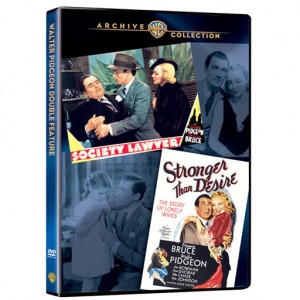
The Warner Archive delivers again, and this time in a most unexpected way. The past few months, they have been releasing a steady stream of Ann Dvorak’s Warner Bros flicks from the 1930s. Today, they are offering a Walter Pidgeon/Virginia Bruce two-pack including the 1939 drama Stronger Than Desire, featuring our beloved Miss D.
This M-G-M film about an attorney who defends a woman accused of a murder that may have in fact been committed by his own wife (you got that?), was directed by Leslie Fenton, Ann’s first husband. Fenton had turned in his acting cap the year before, and this was one of his first turns as a feature director. The film is enjoyable enough, and Fenton had the opportunity to direct his wife through a heart-wrenching courtroom breakdown.
I particularly like this film for two reasons. First is the scene where Walter Pidgeon has Ann fake-faint in court. He cues her and she just melts out of the chair and onto the floor. I know it’s supposed to be dramatic, but it’s pretty ridiculous and worthy of a rewind and rewatch. The other reason I find this film memorable (as far as Ann Dvorak movies go) is because she has never looked more beautiful. No studio did Hollywood glamor quite like M-G-M, and it shows. Ann is absolutely luminous, even when she is fake-fainting.

Hats off once again to the Warner Archive for fulfilling the needs of every Ann Dvorak fan, even though they’re probably not doing it consciously.
“Blind Alley” to be Screened at SF Noir Festival

It’s that time of the year when my husband and I talk about driving up to San Francisco for the annual Noir City film festival and don’t actually go. This year will be no exception, because while my 7-month-old daughter is brilliant, theater-going is not yet on her list of accomplishments.
This year’s line-up is especially of interest because they will be screening the 1939 Columbia flick Blind Alley, directed by Charles Vidor, starring Chester Morris, Ralph Bellamy, and of course Ann Dvorak.
As I have previously discussed when it has aired on television, Blind Alley is one of my favorite Dvorak films. This tale of an escaped convict who with his gang, holds a dinner party hostage at a lakeside home while waiting for an escape boat is a bit campy but mostly compelling. How can one not be engrossed watching Ralph Bellamy use his super-psychiatric powers to drive Chester Morris completely insane? Ann plays the ever-devoted girlfriend, a role that was all too familiar in her Warner Bros days. At least this time her true love is a psychotic, murdering thug, and she is a gun-toting hard-ass who looks stunning while ordering the hired help to lock themselves in the basement.
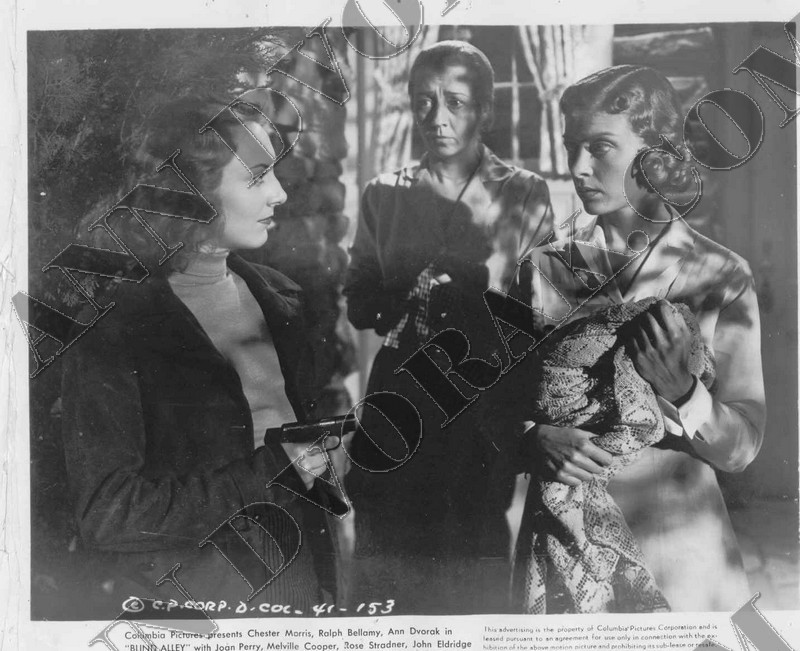
Blind Alley will be screened at the Castro Theatre on Saturday, January 29th at 1:00pm and 4:30pm. It’s part of a double feature with Fritz Lang’s Secret Behind the Door, which as my husband commented, “sounds rad.”
The Noir City festival runs from January 21-30. The full program list can be found on their website.
“Merrily We Live” on TCM
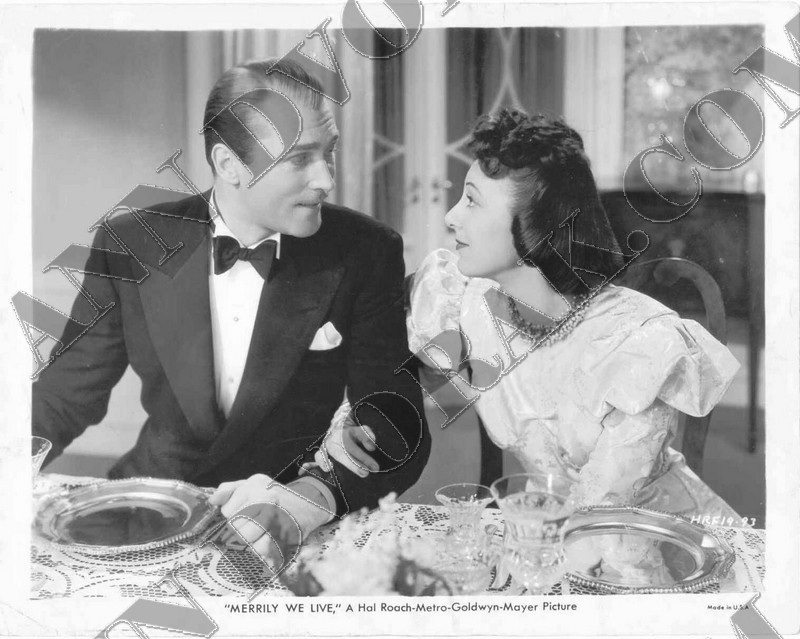
Merrily We Live is going to air on Turner Classic Movies on Sunday, December 19th at 5:15am PST.
Ann Dvorak Makes TCM’s List of 10 Great Overlooked Performances

To coincide with the launching of Hollywood’s awards season, Turner Classic Movies has released what they describe as an “authoritative list” that “sets out to recognize performances that didn’t get widespread awards recognition.” Included are instantly recognizable names like Marilyn Monroe, Vincent Price, and Tyrone Power. Imagine my surprise and glee to see Ann Dvorak listed for her role as the doomed Mary Ashlon in 1950’s A Life of Her Own.
As I have discussed in the past, Ann’s performance in this M-G-M Lana Turner feature is the one she should have received an Oscar nomination for. Her aging, down-on-her-luck fashion model is in the film for less than 10 minutes but her impact is immediate and lasting, long after she exits the story via a high-rise window. While it’s frustrating that this performance did not receive award recognition at the time, what’s really disheartening is that she would only make a handful more films after this before retiring from entertainment in 1952. As riveting as she was in early performances like Scarface and Three on a Match, these later roles pairing years of experience with her natural abilities really demonstrate the depths of her talents and leave us wishing she would have stuck around just a little bit longer.
Hats off to the fine folks at TCM for recognizing Ann Dvorak and giving her some much deserved laurels.
Click here to see the full list of TCM’s 10 Great Overlooked Performances.
“Heat Lightning†on DVD from Warner Archive
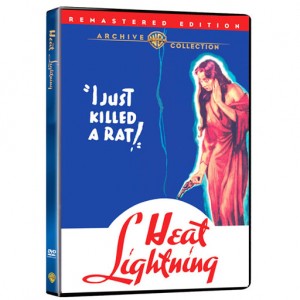
This week, the Warner Archive makes my holiday wishes come true by adding Heat Lightning to their ever-growing collection.
As I had mentioned previously, Heat Lightning is one of my favorite Ann Dvorak films. This tale of a pair of sisters running a gas station/rest stop in the middle of nowhere (it was actually filmed in Victorville) whose lives are turned upside down by their bad taste in men is classic Warner Bros Pre-Code cinema. Ann’s role is a supporting one, but her Myra, a restless youth feeling stifled by her surroundings and her protective older sister is one of the more interesting characters Dvorak played during her five years at Warner Bros. Her breakdown scene towards the end of the film is heartbreaking and truly memorable.
Of course the film really belongs to Aline MacMahon. As Olga, she is tough, brassy, and independent, but proves to be just as vulnerable as the rest of us when an old flame (and bad penny) turns up on her doorstep. Aline and Ann work beautifully together and are completely believable as sisters. It’s unfortunate that the only other time they appeared in the same film, 1934’s Side Streets, they were given little screen time together.
Directed by Mervyn Leroy (who was also responsible for Three on a Match) and featuring a strong supporting cast of familiar 1930s faces like Glenda Farrell, Lyle Talbot, Preston Foster, Frank McHugh, Ruth Donnelly, and Jane Darwell, Heat Lightning is sure to please any Pre-Code fan. Just look at that box art!
This is being advertised as a remastered print, but I am assuming this is the same one that has run on TCM the last couple of years.
Happy Holidays to me. Thanks Warner Archive!
“The Long Night” on TCM
The Long Night is going to air on Turner Classic movies on Saturday, December 4th at 9:00pm PST.